
News & Articles
The Evolution of IRA Investments
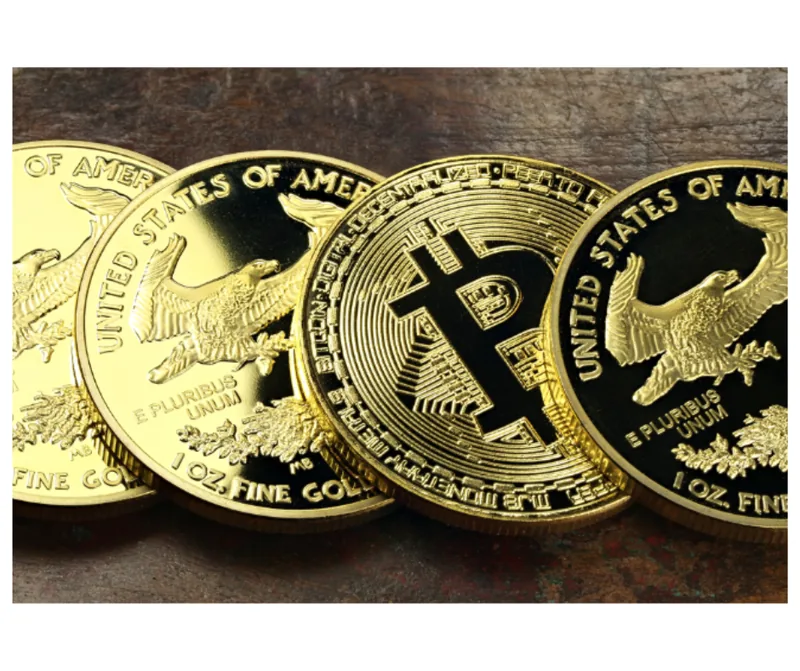
Retirement investing has never been static. Over the decades, the types of assets held inside Individual Retirement Accounts (IRAs) have steadily expanded reflecting changes in markets, technology, and investor preferences.
What began as a system focused almost entirely on traditional securities has evolved to include alternative assets like physical gold, silver, and now digital assets such as Bitcoin. Understanding how IRA investments have changed over time helps put today’s cryptocurrency IRAs into proper context, not as a trend, but as the latest chapter in a long evolution.
The Early Days: Paper Assets
When IRAs were introduced in the 1970s, they were designed primarily for long-term retirement savings through traditional financial instruments. Most investors held stocks, bonds, mutual funds, and certificates of deposit.
These assets offered familiarity and regulatory clarity, but they were also closely tied to broader financial markets. Over time, some investors began looking for ways to diversify retirement accounts beyond paper-based assets.
That search for diversification laid the groundwork for alternative investments within IRAs.
The Introduction of Precious Metals in IRAs
In the late 1990s, regulatory changes allowed certain precious metals to be held inside self-directed IRAs. Gold and silver, in particular, became popular among investors seeking portfolio diversification, assets not directly tied to equity markets, and long-term stores of value.
Physical gold coins and bars offered tangible ownership, which appealed to investors concerned about inflation, currency risk, or market volatility. Gold IRAs became a recognized alternative within retirement planning, supported by custodians and specialized providers.
This shift demonstrated an important principle: IRAs could hold more than traditional financial assets, as long as regulatory requirements were met.
Self-Directed IRAs Expand Investment Choices
As interest in alternative assets grew, self-directed IRAs became more widely used. These accounts allow investors to hold a broader range of assets beyond stocks and bonds, including precious metals, real estate, private equity, and certain commodities.
Self-directed structures gave investors more control over how retirement funds were allocated, while still operating within the IRA framework. However, they also required greater responsibility, education, and compliance awareness.
This flexibility would later become essential for the introduction of digital assets into retirement accounts.
The Rise of Bitcoin and Digital Assets
Bitcoin’s emergence in 2009 introduced a new type of asset — decentralized, digital, and independent of traditional financial systems. As cryptocurrency markets matured, investor interest shifted from short-term speculation to longer-term ownership.
Over time, demand grew for ways to hold digital assets within retirement accounts, similar to how gold had been integrated years earlier. That demand led to the development of Cryptocurrency IRAs, which allow investors to buy, sell, and hold crypto within a tax-advantaged structure.
How Cryptocurrency IRAs Fit Into the Evolution
A Cryptocurrency IRA builds on the same principles that enabled gold IRAs and other alternatives:
- Use of a qualified custodian
- Compliance with IRS rules
- Long-term retirement focus
Rather than holding physical assets, crypto IRAs allow digital assets such as Bitcoin and Ethereum to be held securely within an IRA. Trades can occur inside the account without triggering immediate taxable events, subject to IRA rules.
This evolution reflects how retirement investing continues to adapt alongside innovation, just as it did with precious metals decades earlier.
Gold vs. Bitcoin: Different Assets, Similar Roles
While gold and Bitcoin are very different assets, investors often consider them for similar reasons within a retirement portfolio. They offer diversification beyond traditional markets, limited supply characteristics, and long-term holding potential.
Gold offers physical tangibility and centuries of historical use. Bitcoin offers digital scarcity and a decentralized network. Some investors choose one, while others allocate to both, depending on risk tolerance and long-term goals.
The ability to hold either asset within an IRA reflects how retirement investing has broadened to accommodate different perspectives on value preservation.
Modern IRA Investing: Flexibility and Choice
Today’s IRA landscape offers more flexibility than ever before. Investors can choose between Traditional and Roth IRA structures, paper assets, precious metals, and digital assets, and taxable and retirement-focused crypto accounts.
Coin IRA allows investors to buy and sell crypto within IRA and non-IRA accounts, providing options based on individual preferences and long-term strategies.
While alternative assets may not be appropriate for every investor, their availability reflects how retirement planning has evolved beyond a one-size-fits-all approach.
Important Considerations for Investors
As IRA investment options expand, so do considerations. Investors should be aware of, such as contribution limits and withdrawal rules, custodial structures and fees, asset-specific risks, including volatility, and the importance of long-term planning
Cryptocurrency IRAs, like gold IRAs before them, are subject to specific rules and may not be suitable for all investors. Consulting qualified financial or tax professionals is often recommended before making retirement-related decisions.
How Coin IRA Supports the Next Generation of IRA Investing
Coin IRA provides tools and education designed to help investors explore how digital assets fit into modern retirement planning. The platform offers:
- Access to cryptocurrency within IRA and taxable accounts
- Secure custody and transaction infrastructure
- Educational resources focused on long-term investing
To learn more about how crypto fits into the evolution of retirement accounts, visit How It Works or reach out through our Contact Us page.