
News & Articles
Crypto Cold Storage: Security and Custody for IRA Assets
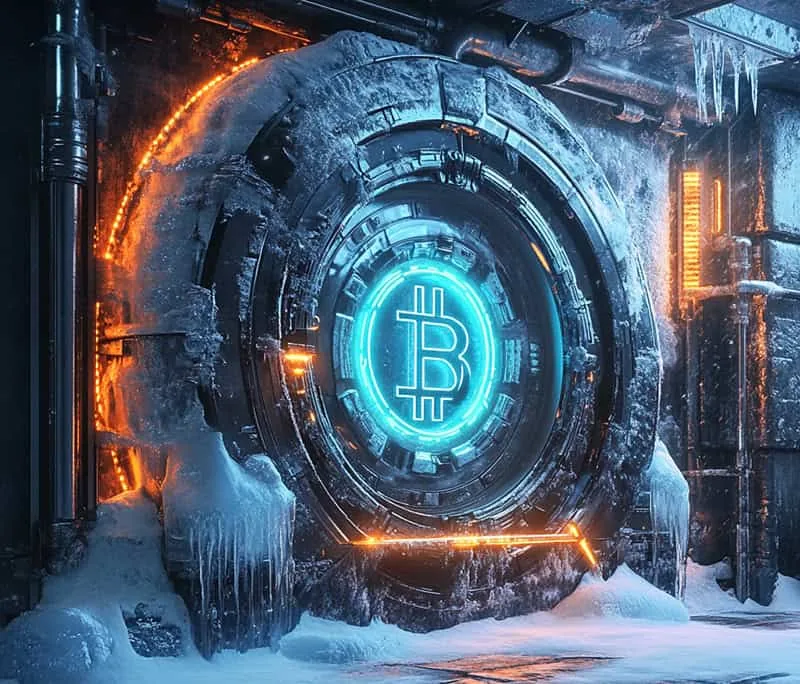
Crypto cold storage keeps the private keys that authorize cryptocurrency transactions away from internet-connected systems. For long-term holders and retirement accounts, reducing key exposure is an important part of custody—but “cold” is only one feature of a complete security program.
Institutional custody also depends on how keys are created, who can approve a transfer, how backups are protected, how activity is audited, and what happens if a provider or device fails.
What Is Cryptocurrency Cold Storage?
A cryptocurrency wallet does not physically contain coins. It controls private keys used to authorize transactions recorded on a blockchain. A hot wallet keeps signing capability available to an online system. Cold storage isolates that capability from routine internet access.
Cold-storage designs can include hardware wallets, air-gapped computers, offline signing devices, or institutional hardware security modules. The label alone does not establish quality. A poorly managed hardware wallet can be less secure than a well-governed institutional system.
Cold, Warm, and Hot Wallets
- Hot wallet: connected to online services for faster transactions, with greater exposure to remote compromise.
- Warm wallet: uses stronger separation or approval controls while remaining available for more frequent transactions.
- Cold wallet: keeps signing keys offline or isolated until an authorized transfer process is initiated.
Institutions may use more than one tier so operational funds remain available while long-term holdings receive stronger isolation. The appropriate balance depends on transaction frequency, asset support, recovery requirements, and risk tolerance.
Why Cold Storage Matters for a Cryptocurrency IRA
A cryptocurrency IRA is a retirement account, so its assets must remain within the account’s qualified custody and recordkeeping structure. Personally moving IRA-owned cryptocurrency to an outside wallet can create custody, reporting, or prohibited-transaction concerns.
Institutional cold storage can reduce several risks:
- Remote theft of an online private key
- Malware signing an unauthorized transaction
- A single employee or compromised credential approving a transfer
- Loss of one device, key share, or physical location
- Incomplete records surrounding asset movement
Cold storage cannot eliminate cryptocurrency price volatility, protocol failures, smart-contract risk, fraud, or every form of operational loss. It protects the custody layer, not the market value of the asset.
Key Security Controls to Look For
Protected Key Generation
Private keys should be generated within controlled systems and protected from export or unauthorized duplication. Institutional systems often use hardware security modules designed to resist physical and logical attacks.
Multiple Approvals and Separation of Duties
No single employee, device, or credential should be able to move client assets without additional authorization. Policy-based approval workflows reduce the risk of theft, coercion, and accidental transfers.
Recovery and Geographic Resilience
A secure custody design needs a tested recovery process. Backups or key shares should be protected across appropriate locations so the loss of one facility or device does not make assets inaccessible.
Asset and Address Controls
Allowlisted destinations, transaction limits, network verification, and human review can reduce the chance of sending assets to the wrong address or blockchain.
Audit Logs and Reconciliation
Custody records should show who requested, reviewed, approved, and completed each movement. Holdings and transaction records should be reconciled with account records and blockchain activity.
How Coin IRA Stores Cryptocurrency
Coin IRA uses a qualified custody model with Equity Trust Company for IRA administration. Supported digital assets are secured using Ledger Enterprise cold-storage technology. Private keys are generated and protected within hardware security modules rather than being placed in an online wallet that the account holder must manage.
Coin IRA’s current custody controls include:
- FIPS Level III hardware security modules
- Institutional authorization and governance controls
- No staking, lending, borrowing against, or leveraging client cryptocurrency
- Crime-insurance coverage for covered digital-asset risks in storage and transfer, subject to policy terms and limitations
- Qualified-custodian administration and transaction documentation
Review the complete Coin IRA security and custody overview for current details.
Questions to Ask a Cryptocurrency Custodian
- Who legally holds and administers the IRA assets?
- Where and how are private keys generated?
- Can one person authorize a transfer?
- Are assets lent, staked, pledged, or rehypothecated?
- How are backups protected and recovery procedures tested?
- Which events are covered by insurance, and what exclusions or limits apply?
- How are blockchain forks, airdrops, and unsupported assets handled?
- What documentation is available for trades, transfers, and distributions?
Cold Storage Is Part of a Layered Security Model
Strong storage cannot compensate for a compromised email account, weak password, or successful impersonation scam. Use unique passwords, multifactor authentication, verified contact channels, and an updated device. See our cyber security tips and cryptocurrency scam-prevention guide.
If you are evaluating retirement-account custody, learn how a cryptocurrency IRA works, review the supported digital assets, and understand fees and trading costs.
This article provides general education and does not guarantee that any storage method will prevent loss. Insurance coverage is subject to applicable policy terms, conditions, exclusions, and limits.